
6S CubeSat
6S CubeSat – PoliSpace Satellite Mission
The 6S CubeSat is a student-led satellite mission developed within PoliSpace, the official space association of Politecnico di Milano, one of Europe’s leading engineering universities.
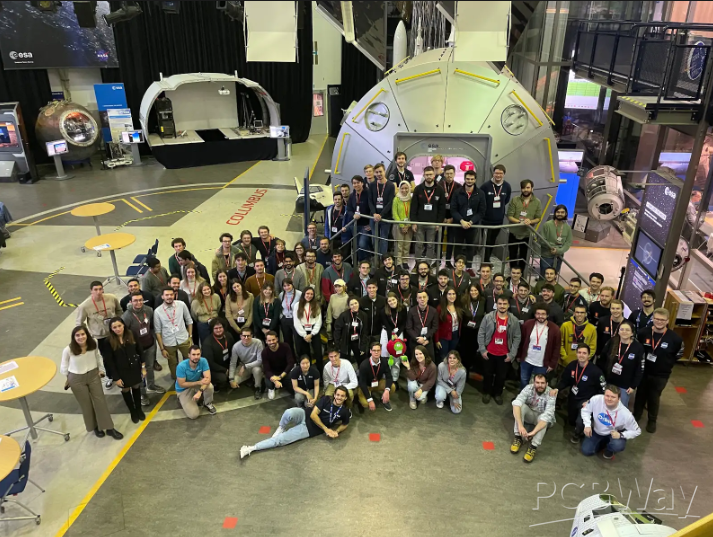
Founded in 2021, the project brings together over 130 students from different engineering disciplines working together to design, develop, test, and operate a 1U CubeSat satellite following professional aerospace engineering standards.
The mission represents a unique educational platform where students can gain hands-on experience in real spacecraft development, working across the entire lifecycle of a satellite mission: from system architecture and electronics design to integration, testing, and mission operations.
Through collaborations with industry partners, the project aims to bridge academic training with real engineering practice, preparing the next generation of aerospace engineers.
Mission Overview
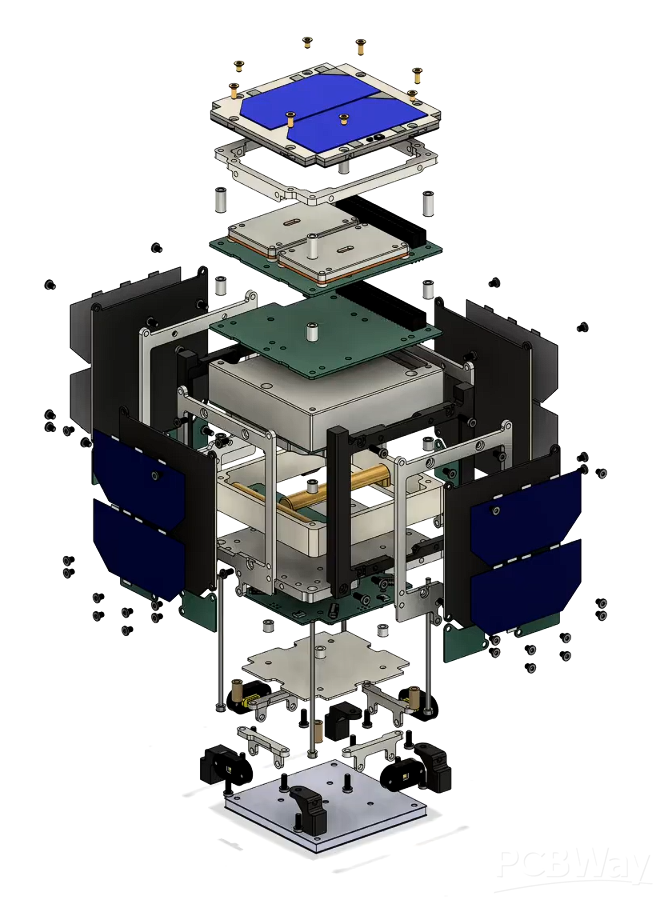
The 6S CubeSat mission aims to demonstrate innovative power generation and energy storage technologies for small satellite platforms.
The satellite will carry two experimental payloads focused on improving the power-to-weight efficiency of future spacecraft systems.
VOLTA – Structural Battery
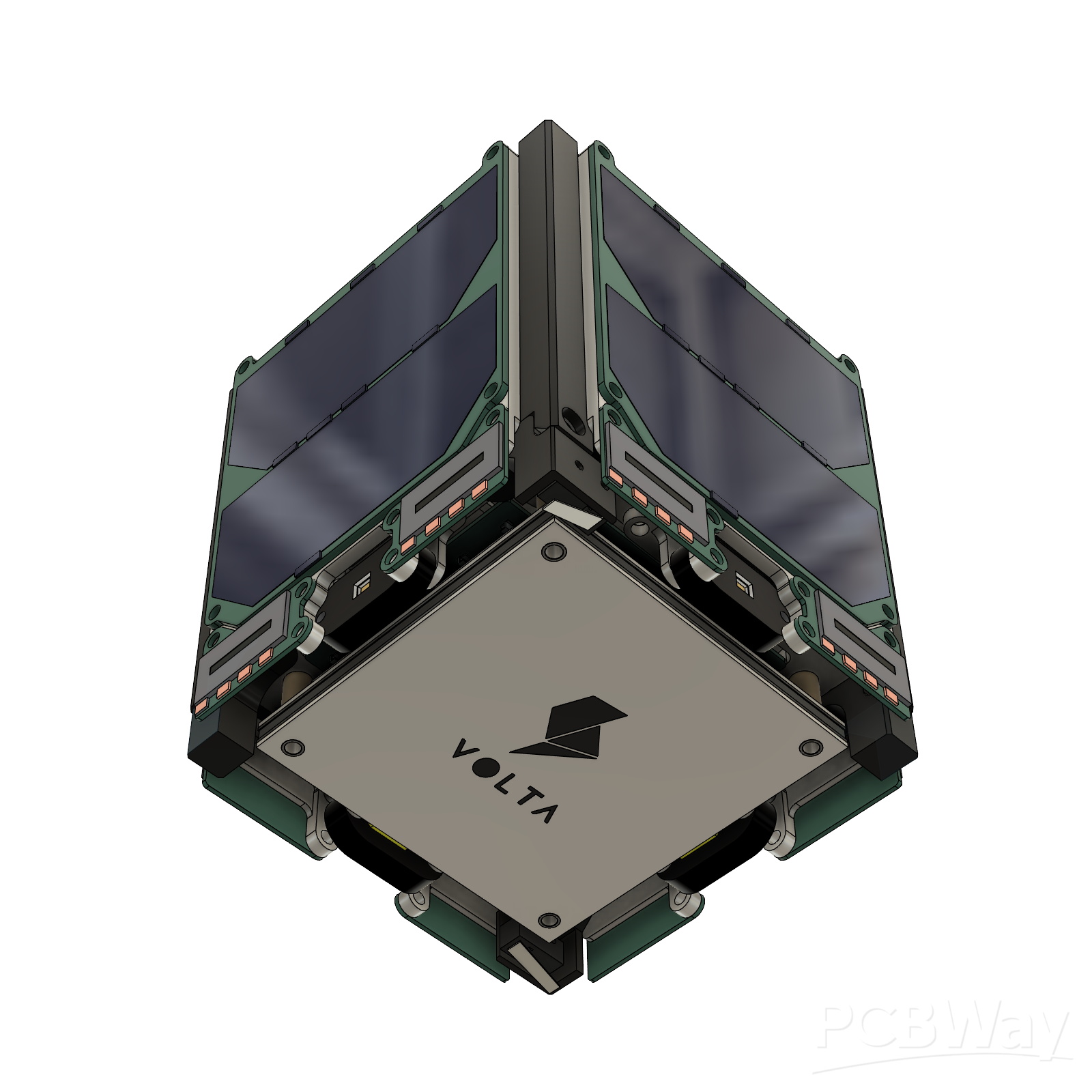
VOLTA explores the concept of structural batteries, where the spacecraft’s structural panels themselves act as energy storage elements.
This approach allows the satellite to reduce the mass dedicated to traditional batteries while increasing the available internal volume for payloads and mission-critical subsystems.
PESCA – Perovskite Solar Cells
The PESCA payload tests flexible perovskite solar cells in orbit, evaluating their performance in the space environment.
This technology has the potential to significantly increase the power-to-weight ratio of satellite power systems, enabling more efficient and cost-effective small satellite missions.
Electronics & Avionics Development
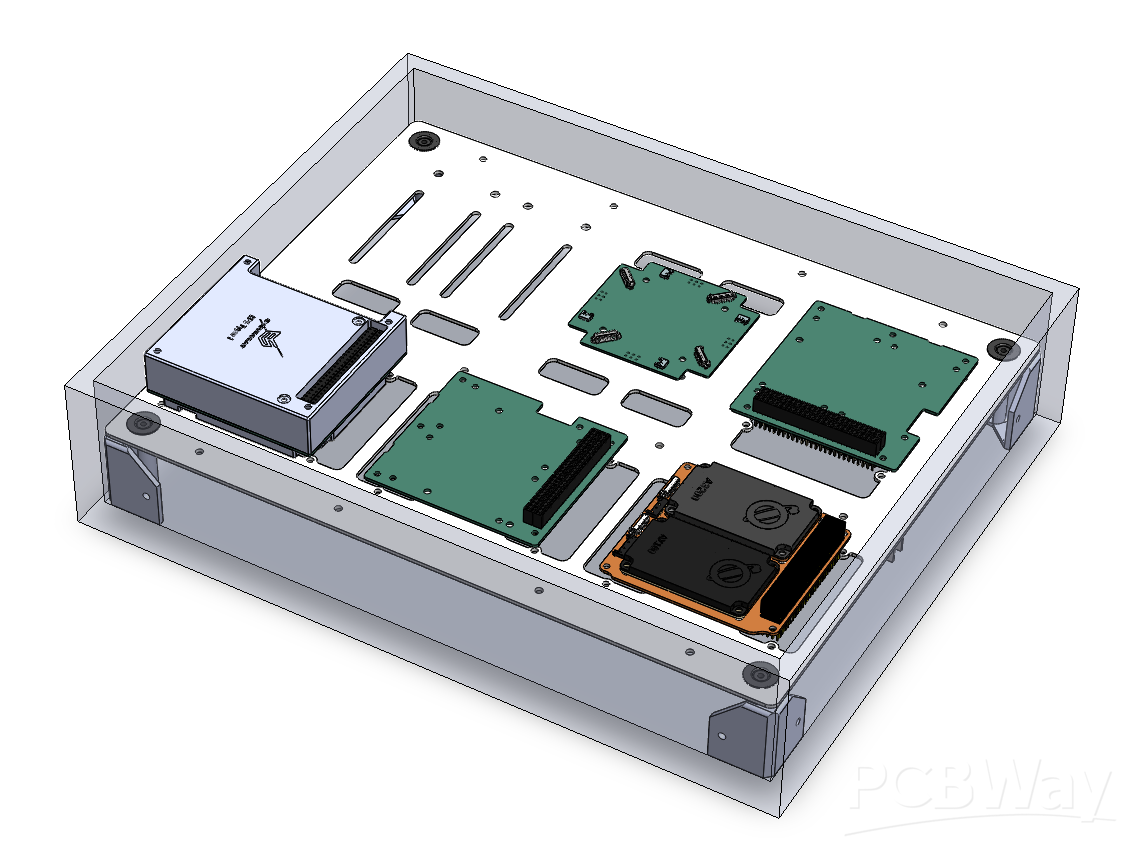
A key aspect of the 6S CubeSat project is that the electronics and avionics systems are designed and developed entirely by students within PoliSpace, from on-board components (Sensor and subsystem interfaces, control electronics) to Ground Testing infrastructure.
The Bill of Materials (BoM) currently under development for the project comprehends 5 main custom-designed PCBs, essential for testing and building the satellite:
- The PESCA board, which is an analog board designed to perform the main measurements on the payloads onboard the satellite, i.e. the perovskite cells and the Volta structural battery.
- We also designed the External solar panels PCBs on which we'll mount the main solar cells that will power our satellite.
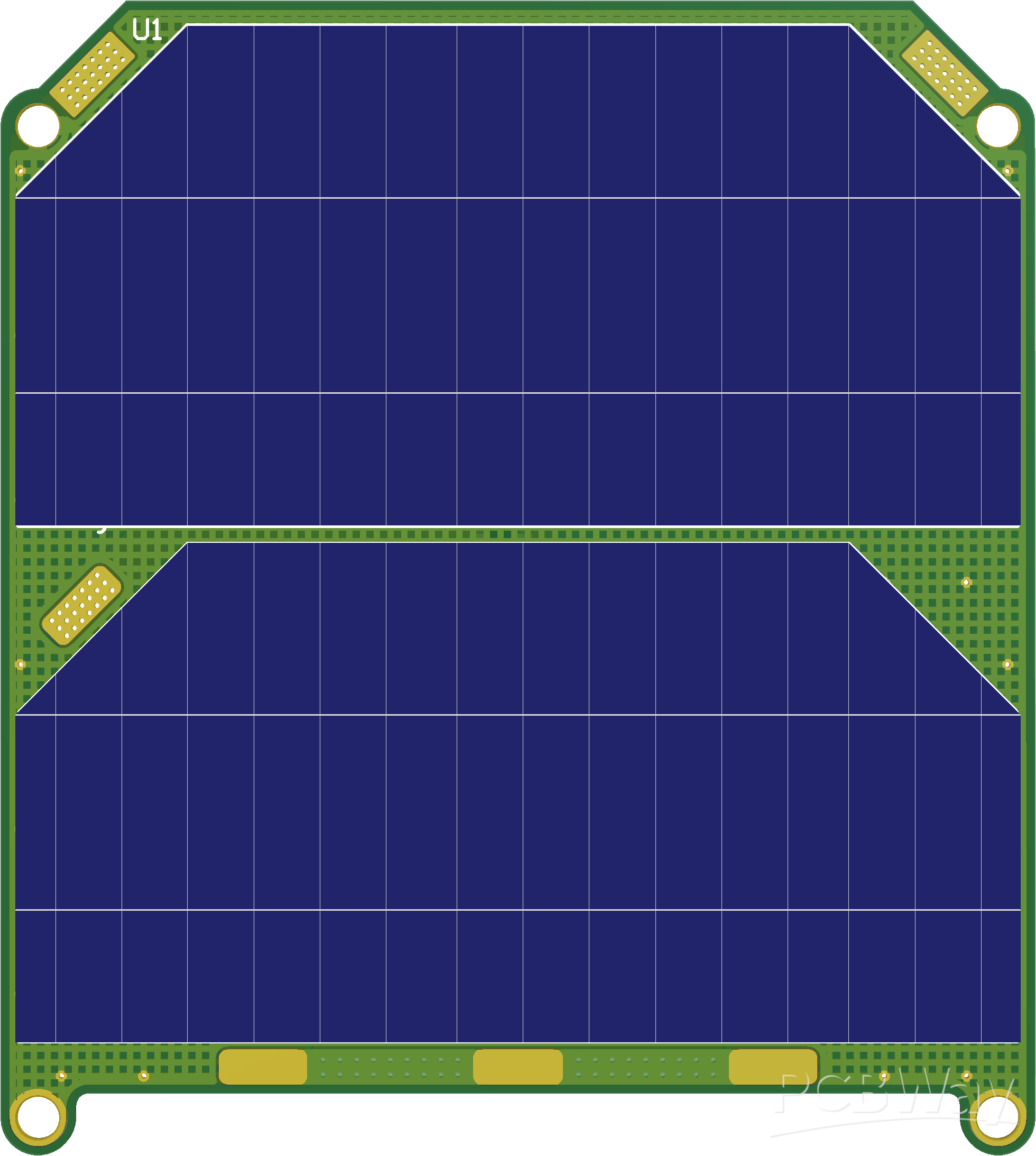
- We also designed the PCBs for the perovskites cells that will be tested in space.
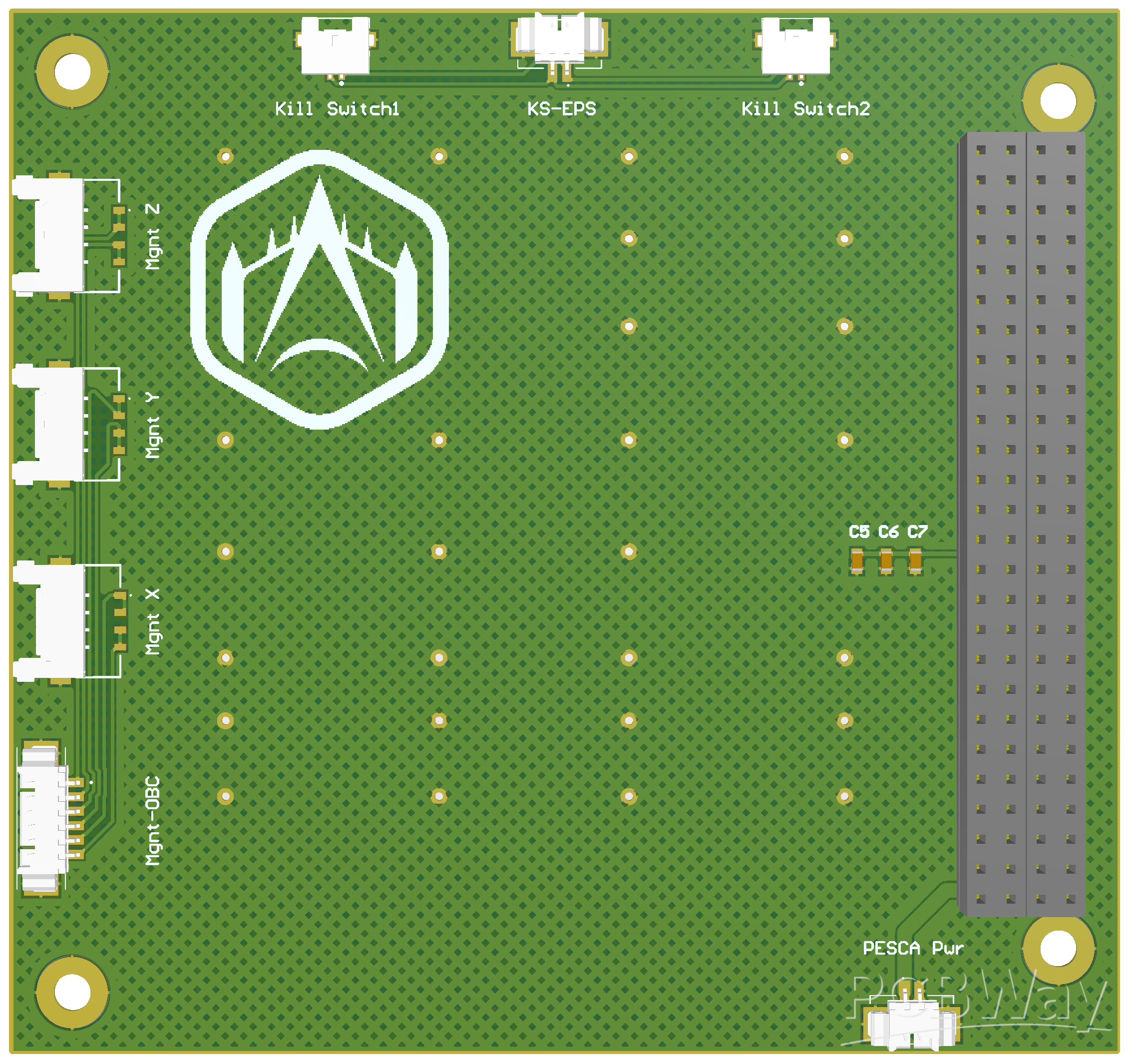
- The InterConnection Board (ICB) will connect the magnetorquers, kill switches and the PESCA 5V power.
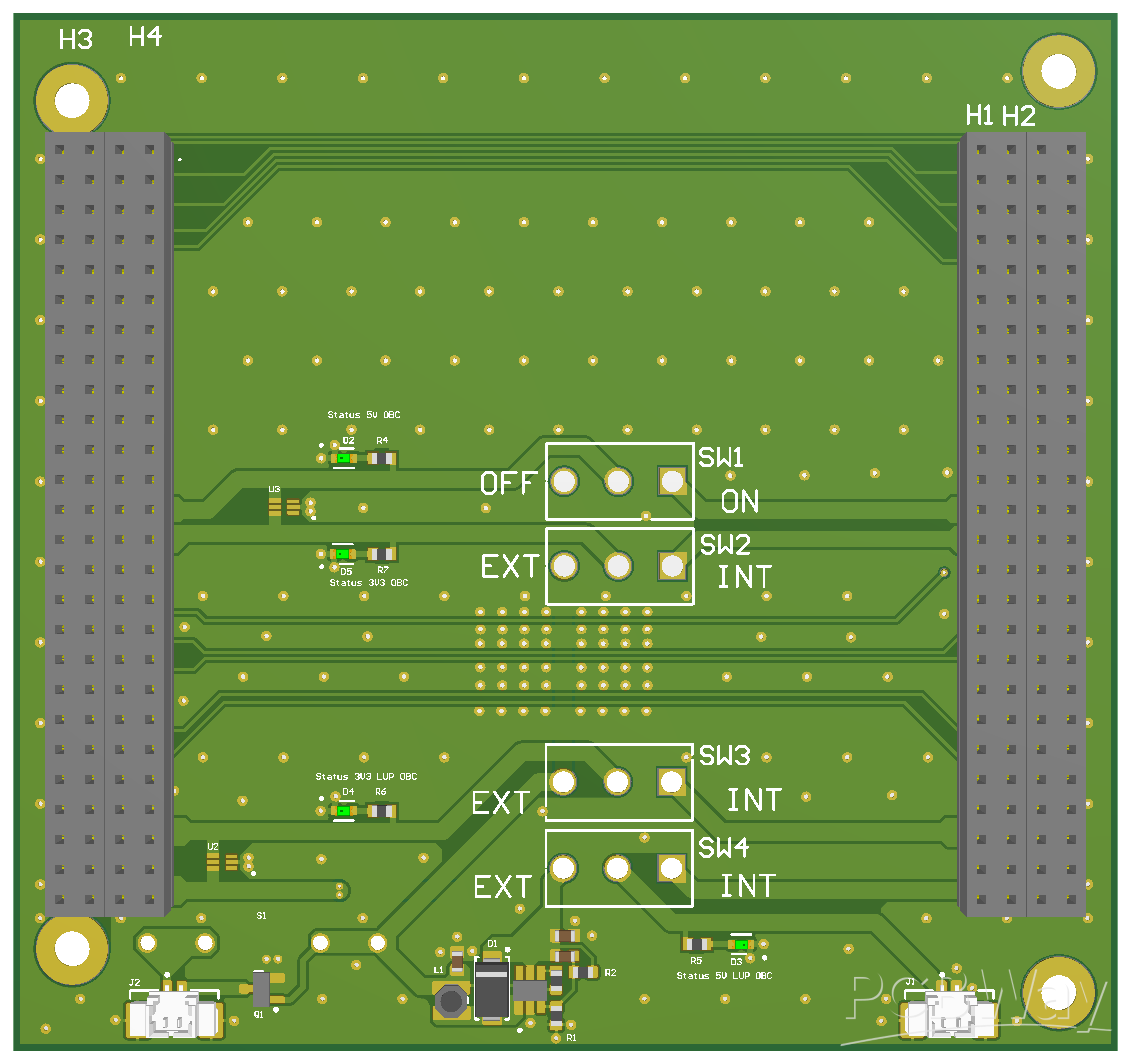
- The Switch Array Board (SAB) is a variant of the ICB that will be used during the flatsat testing which will allow with some switches to safely control the powering of the flatsat.
Why We Are Looking for a PCB Manufacturing Partner
The project is currently entering Phase D of development, with the goal of completing the Flight Model by 2026 and targeting launch from 2027 onward.
To support the development and validation of our satellite electronics, we are currently looking for a PCB manufacturing partner capable of supporting the production of custom boards.
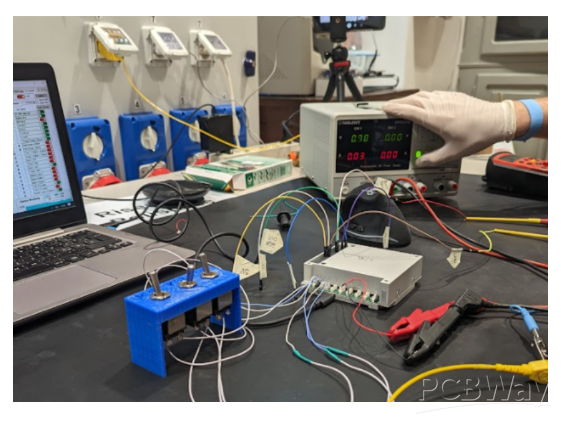
Access to reliable and high-quality PCB manufacturing would allow our team to accelerate development cycles and improve the reliability of the satellite’s electronics architecture.
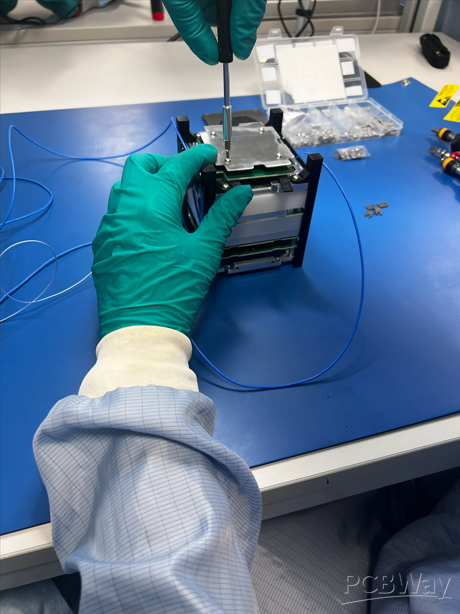
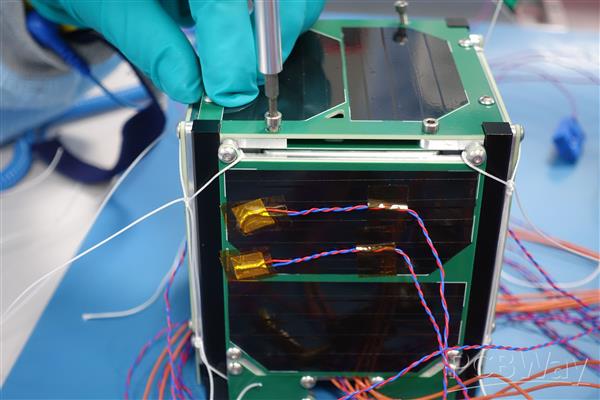
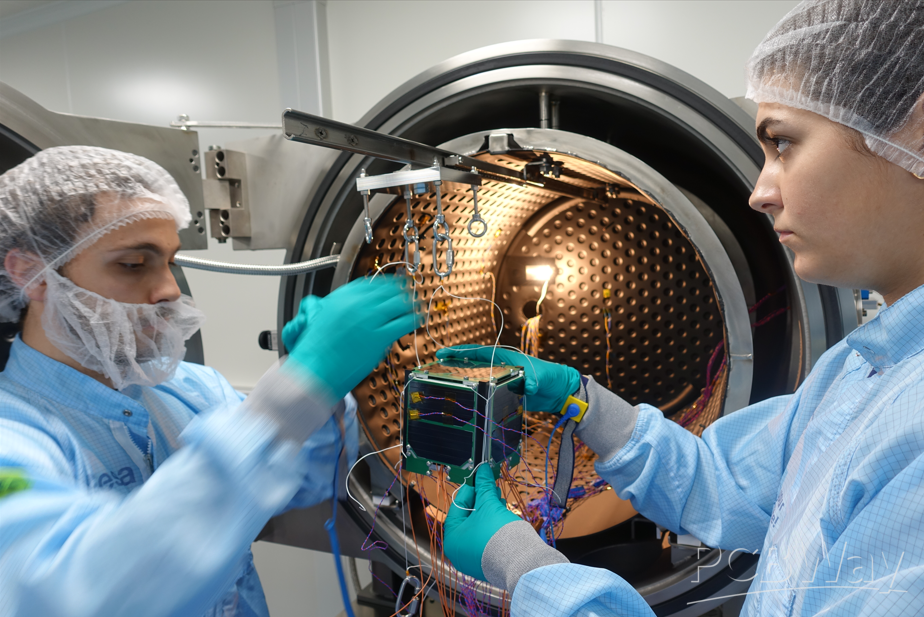
In particular, we truly appreciate the product ordered from PCBways (not under sponsorship) and used during the STM (Structural & Thermal Campaign) testing campaign that are shown in the above figures.
Visibility for Supporting Partners
Partners supporting the project gain visibility within the academic and aerospace innovation ecosystem, including:
- visibility in project documentation, merchandise, social and presentations
- acknowledgement in technical reports and publications
- exposure during conferences and public outreach events
- recognition within the PoliSpace and Politecnico di Milano network
- University
- Milan
- PoliSpace
- Politecnico Di Milano
- 6S CubeSat
You might like





- Comments(0)
- Likes(2)
-
-
-
 Engineer
-
Engineer
-